Mindful development
The vision places Bhutanese identity, spiritual heritage, sustainability and human wellbeing at the centre of urban and economic growth.
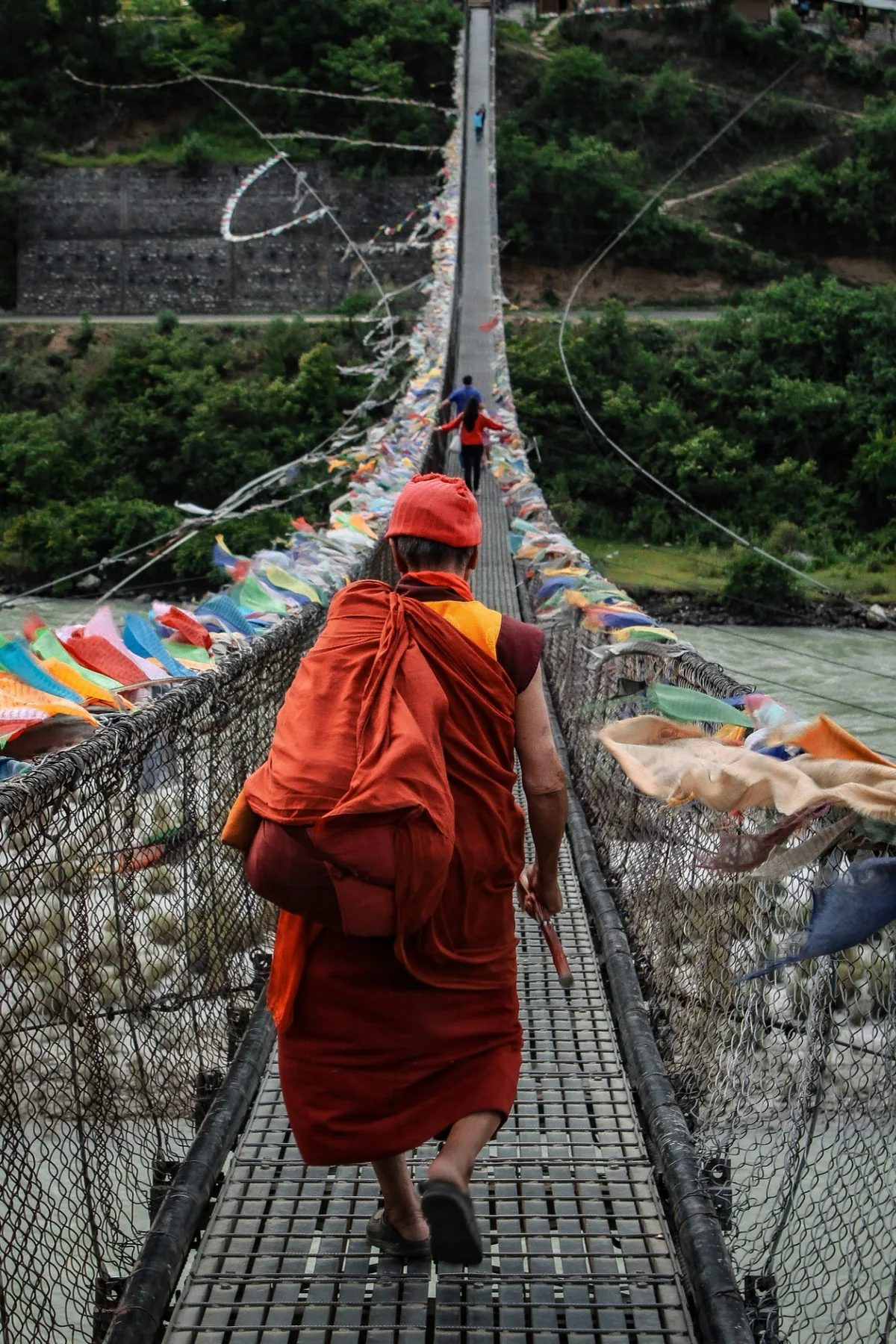
A Himalayan nation where monarchy, democracy, spirituality, cultural diversity and environmental responsibility continue to shape a distinctive way of life.
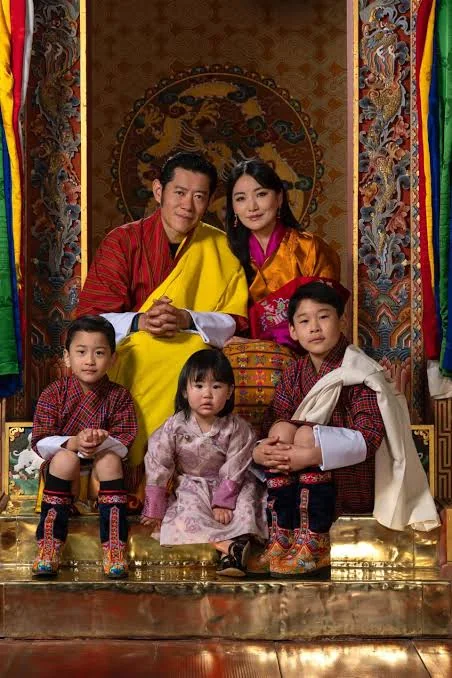
Bhutan’s hereditary monarchy was established in 1907, unifying the country under the Wangchuck dynasty and guiding it through a century of stability and measured change.
Today, Bhutan is led by His Majesty King Jigme Khesar Namgyel Wangchuck, the Fifth Druk Gyalpo. The King serves as Head of State and a unifying figure within a democratic constitutional monarchy. The bond between the monarchy and the people is deeply personal, shaped by a visible tradition of public service, national responsibility and care during times of difficulty.
Bhutan’s transition to parliamentary democracy in 2008 was initiated from the throne, demonstrating the monarchy’s commitment to accountable government and the long-term wellbeing of the nation.
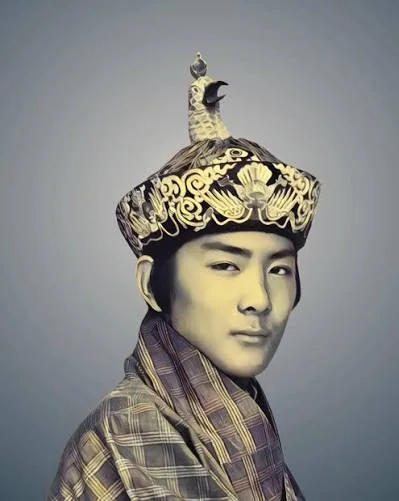
His Majesty Jigme Singye Wangchuck, the Fourth King of Bhutan, is closely associated with the philosophy of Gross National Happiness. During his reign, Bhutan expanded modern education, healthcare, infrastructure and international engagement while continuing to protect its culture and natural environment.
His reign also advanced decentralisation and laid the foundations for the Constitution and parliamentary democracy. This legacy remains central to Bhutan’s identity: national progress should improve the quality of life without sacrificing the values that make life meaningful.
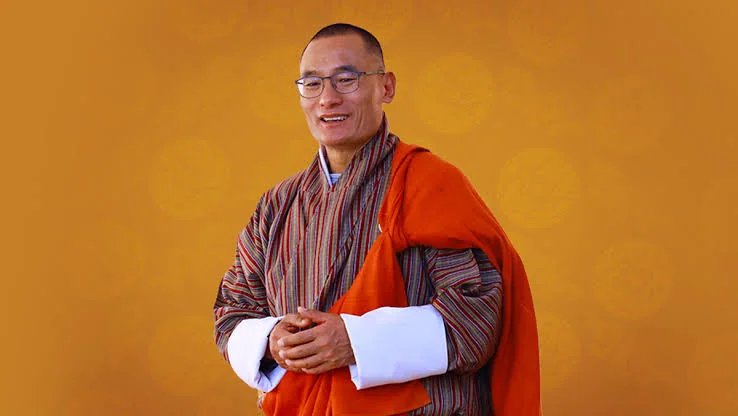
Bhutan’s Constitution separates authority among the executive, legislative and judicial branches while preserving the King’s role as Head of State. The Parliament consists of the National Assembly and the National Council, and elected local governments serve communities throughout the country.
As of July 2026, Dasho Tshering Tobgay serves as Prime Minister. The elected government works within Bhutan’s constitutional framework and national development goals, including economic opportunity, public services, environmental protection and Gross National Happiness.
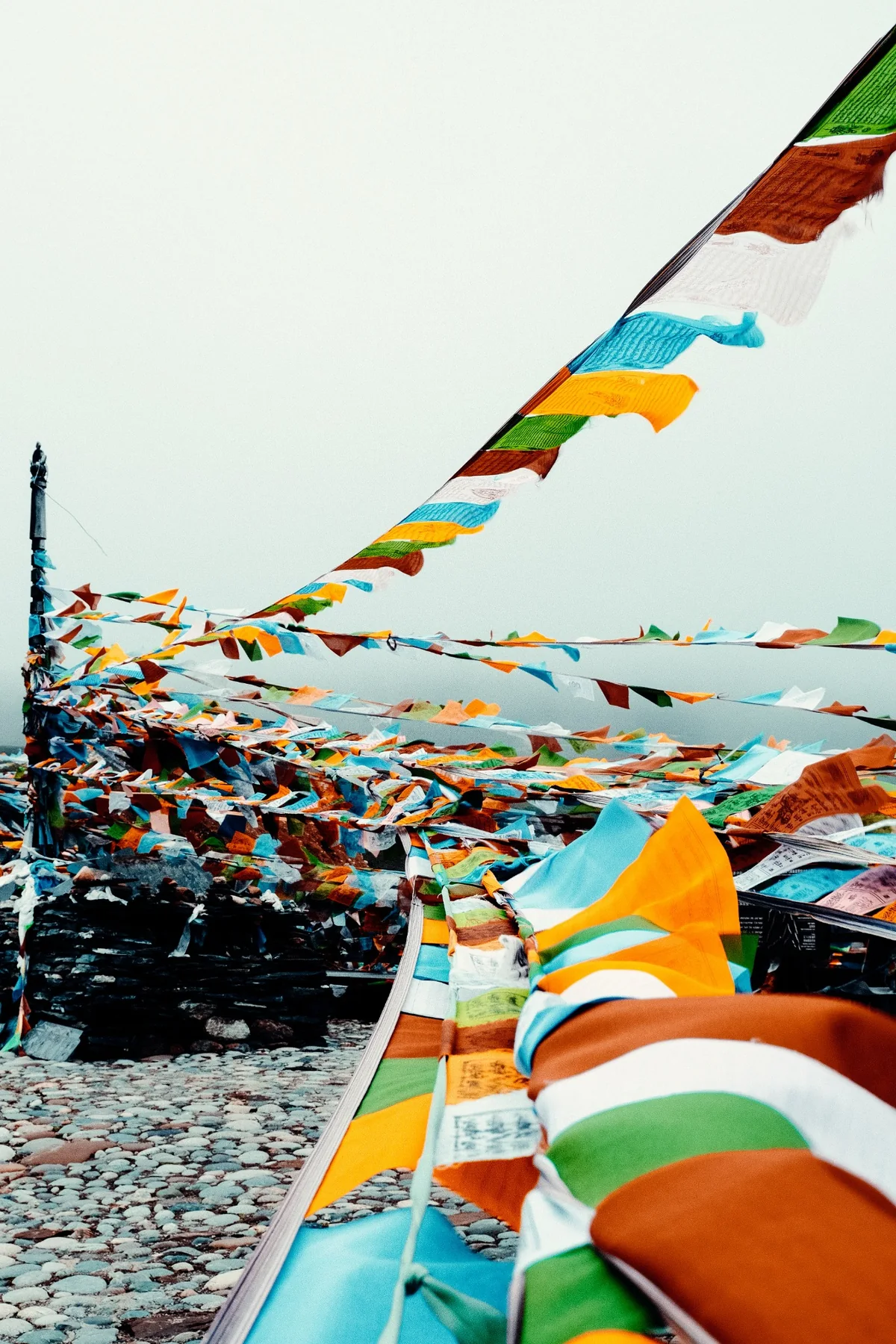
Gross National Happiness is not a claim that every Bhutanese person is always happy. It is a public-policy philosophy that asks whether development strengthens human wellbeing, community, culture, good governance and the natural environment.
Bhutan’s 2022 GNH Index was 0.781, up from 0.756 in 2015. The national index examines 33 indicators across nine domains:
This national measure is different from the World Happiness Report, which uses a separate international methodology based primarily on life evaluation data.
Gelephu Mindfulness City, or GMC, is a Special Administrative Region envisioned as a values-based economic hub connecting Bhutan with wider regional and global opportunities.
The vision places Bhutanese identity, spiritual heritage, sustainability and human wellbeing at the centre of urban and economic growth.
Official plans identify sectors including health and wellness, education, green technology, finance, aviation, logistics, agri-tech and tourism.
Located in southern Bhutan, GMC is intended to strengthen connectivity and create long-term opportunities while remaining rooted in national values.
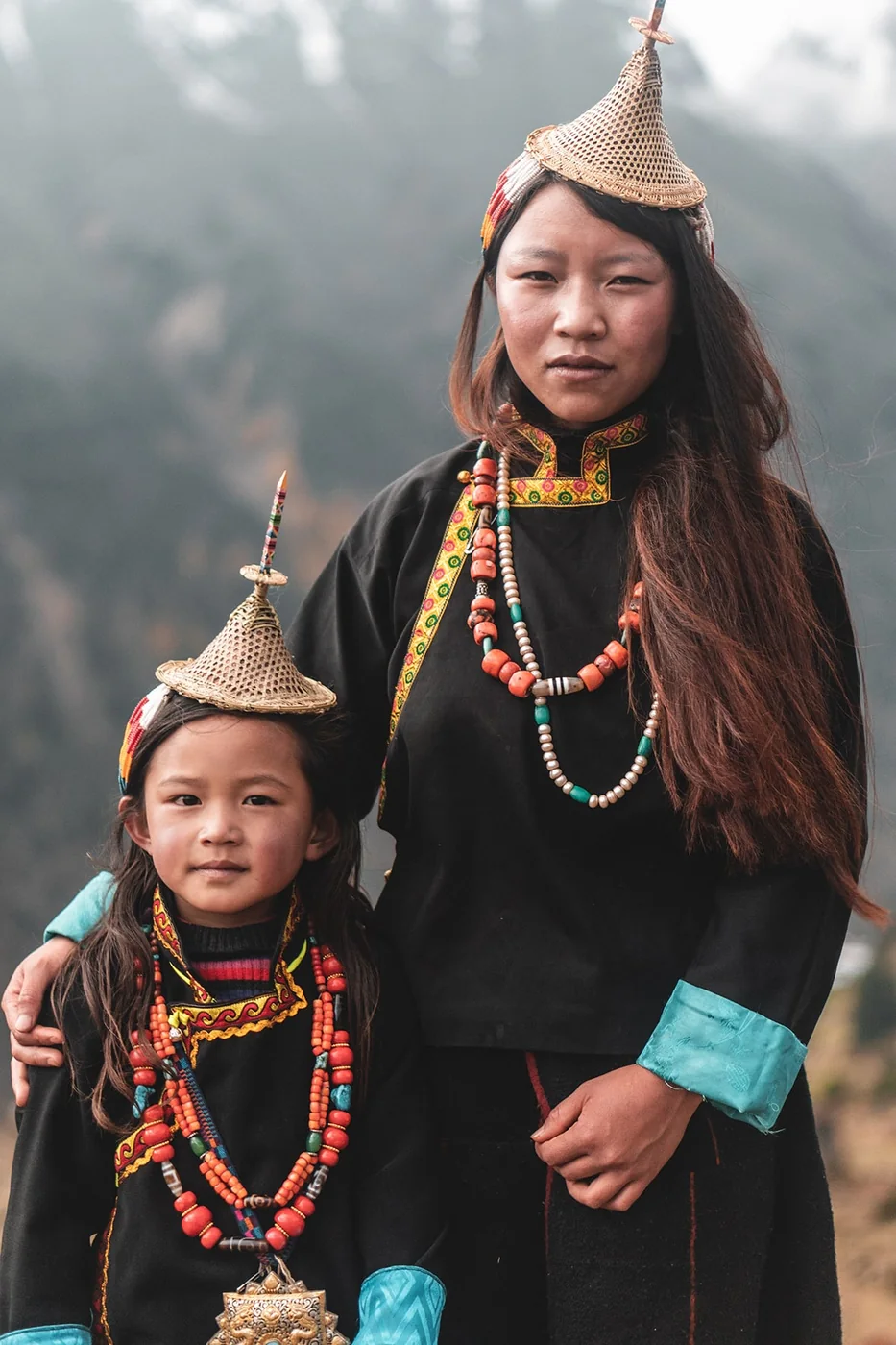
Bhutanese identity includes many regional, linguistic and cultural traditions. Communities commonly described as Ngalop, Sharchop and Lhotshampa live alongside numerous local and highland communities, including the Layaps and Brokpas, each with distinctive histories, dialects, dress, food and customs.
Dzongkha is the national language, while English is widely used in education and administration. Many other languages and dialects are spoken across the country, reflecting Bhutan’s varied geography and community histories.
These identities should not be understood as rigid boundaries. Bhutan’s shared institutions, citizenship, religious traditions, schools, markets and national celebrations continuously bring different communities together.
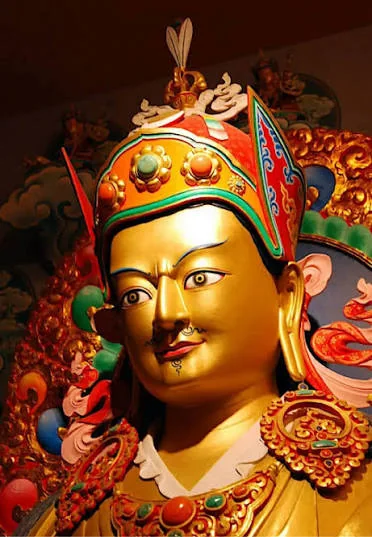
Vajrayana Buddhism has profoundly shaped Bhutan’s art, architecture, festivals, ethics and understanding of the natural world. Guru Padmasambhava—Guru Rinpoche—is believed to have visited Bhutan in the eighth century, sanctifying numerous sites and establishing a spiritual legacy that remains deeply alive.
The Drukpa Kagyu and Nyingma traditions are especially influential. Temples and monasteries serve not only as historic monuments but as active places of study, prayer, ritual and community life. Hinduism is also practised, particularly in southern Bhutan, and the Constitution protects freedom of religion.
Bhutan’s Constitution requires at least 60% forest cover for all time. Today, more than 70% of the country remains forested, helping Bhutan absorb more greenhouse gases than it emits.
Traditional dress, intricate architecture, local festivals, family life, village communities and Buddhist values continue alongside smartphones, modern schools and new economic ambitions. Bhutan’s story is not one of remaining unchanged—it is the continuing search for a balanced way to change.
Current public-office and project information was checked in July 2026.
Tell us how you would like to travel, and we will shape a thoughtful journey around your pace, interests and expectations.